Advice & Resources
How Often Should You Do Learning Walks?
(Hint: it's not "as often as possible")
(Hint: it's not "as often as possible")
There's no magic number when it comes to how often you should run learning walks — but there is a golden rule:
🎯 Purpose and consistency matter more than frequency.
In most schools, a common rhythm is:
That's enough to build a useful picture over time without overwhelming staff.
But frequency depends on:
If learning walks become constant or feel like "monitoring," staff will start to close their doors — either literally or metaphorically.
Leaders must ask:
You can't walk your way to school improvement — unless you actually do something with what you've seen.
A one-off walk done well — with a clear focus, honest findings, and meaningful follow-up — can have more impact than a dozen drive-bys with no feedback loop.
| Focus Area | Frequency | Led By |
|---|---|---|
| Whole-school priority (e.g. oracy) | Half-termly | SLT or focus group |
| Departmental practice | Termly | HODs or subject leads |
| Safeguarding/systems check | Once or twice a year | DSL, safeguarding lead |
| MAT/trust QA | Annually or bi-annually | Trust staff |
How often should you do a learning walk?
As often as you can do it well.
If you've got purpose, buy-in, and follow-through — it'll work.
If you don't, even once a year will feel like too much.
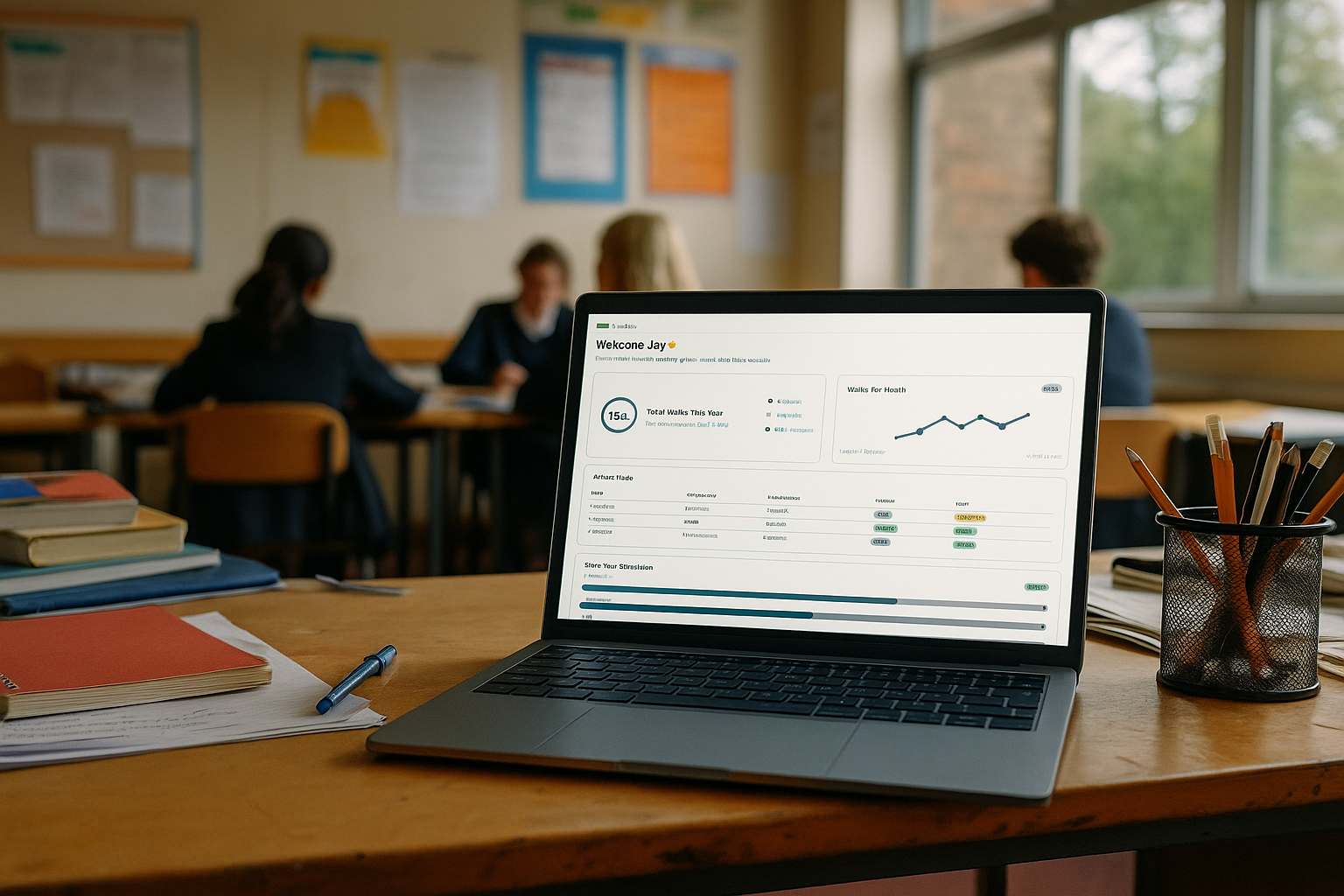
LearningWalks brings planning, evidence and insight together so every walk has a clear purpose.
Take our interactive 10-question quiz to see how your understanding stacks up. Get instant feedback — and a celebration if you ace it!
Bring planning, classroom evidence and insight together in one place — and turn what you see into meaningful improvement.